Artist Tools: Essential Supplies for Every Creative Project
Find the essential artist tools you need for drawing, painting, and mixed-media projects. Learn what to buy, how to use them, and start creating today.
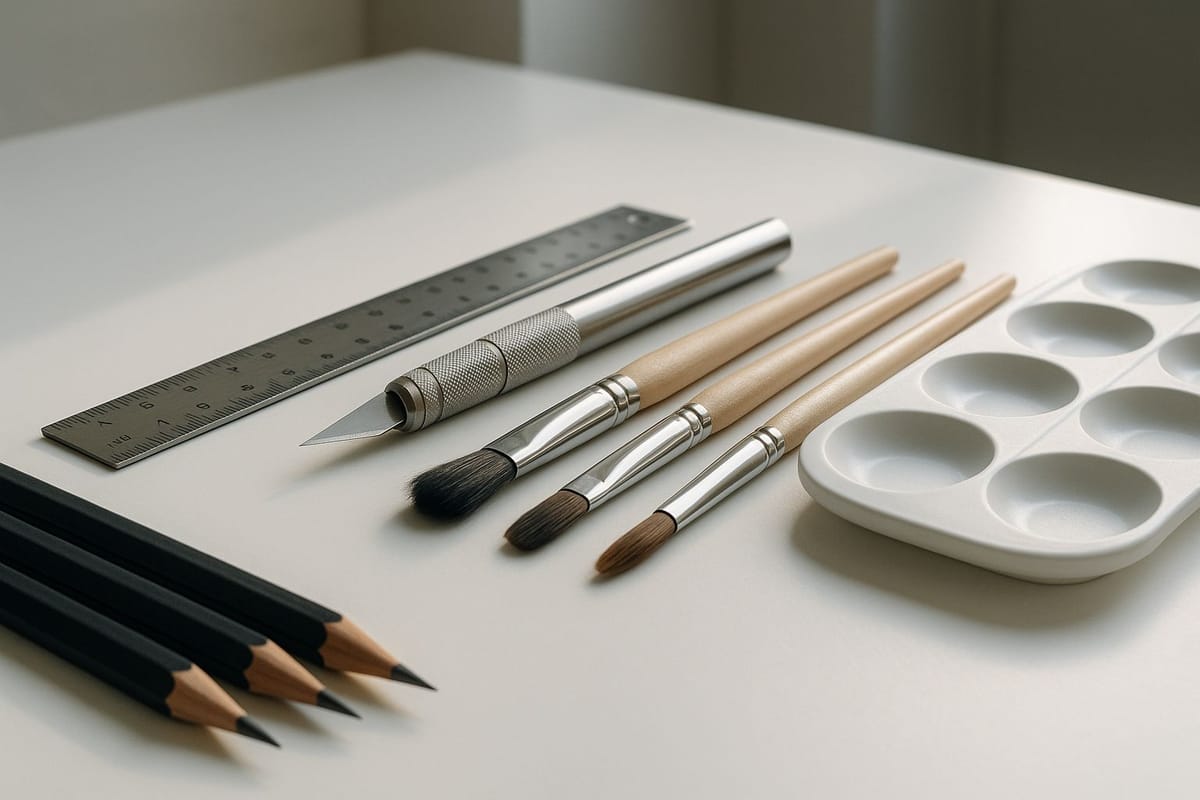
Artist tools help painters, illustrators, and mixed-media creators work with better control and comfort across different styles. The tools assist with proper lines, smooth blends, a stable surface, and clean workflows, making every creative session more straightforward and productive.
What Are Artist Tools?
Artist tools are the items artists use to paint, draw, shape, measure, and prepare their surfaces. They help improve accuracy, speed, and comfort while working. These tools also support safe and consistent workflows in any studio.
The tools are important for beginners and professional artists because they help develop skills and maintain steady results. The right tools improve control and comfort, allowing artists to work longer with fewer mistakes. Good tools also enhance final results by supporting clean lines, better texture, and stronger color consistency.
What Are the Different Types of Artist Tools
Popular artist tools include brushes, knives, palettes, easels, cutting tools, and measuring tools used across painting and mixed-media work.
Brushes
They are smooth, so application across surfaces is provided by brushes available in round, flat, filbert, and fan shapes. They can be used with acrylic, oil, and watercolour and are easily controlled by artists' strokes. There are three aspects to consider when purchasing the brushes: hair type, handle length, and the amount of spring you desire.
Uses:
- Make detailed lines and ultrasmooth fills with counterstrokes.
- Apply colours softly, although wet in-between layers with little streak.
- Tilting by adding texture- fan and filbert form.
- Installing washes or bold marks, as per the size of the brush and the length of the handle.
Painting Knives & Palette Knives
Knives are used to make texture, combine thick paint, and mix colors on a palette. Artists have the flexibility and control to choose between metal and plastic. Thick paint or sharp, defined edges are usually best handled with a knife rather than a brush.
Uses:
- Apply thick layers of paint for raised, textured effects
- Mix colors cleanly without staining or wearing out brushes
- Create sharp edges and clean marks with confident movement
- Remove paint or scrape areas to refine the composition
Palettes
Palettes with paint are mixed and are made of wood, glass, or plastic. The materials provide a varied feel in terms of weight, stain, and drying times. Long session shapes are used to reduce the strain and aid in the easy blending of colors.
Uses:
- Keep colours organized and visible during long painting sessions
- Mix paint smoothly on surfaces that resist stains
- Control drying time based on palette material choice
- Maintain a cleaner setup with easy-to-wash options
Easels
Easels hold canvases at easy angles and have tabletop, studio, and field models. They are suited to canvases of various sizes, so artists do not have to bend over or strain. Novices are usually fond of using stable tabletops, whereas sophisticated artists use studio easels when working on a large canvas.
Uses:
- Hold canvases at the right height for comfortable painting
- Support large and small surfaces across different styles
- Improve posture to reduce fatigue during long sessions
- Offer mobility for outdoor or studio painting setups
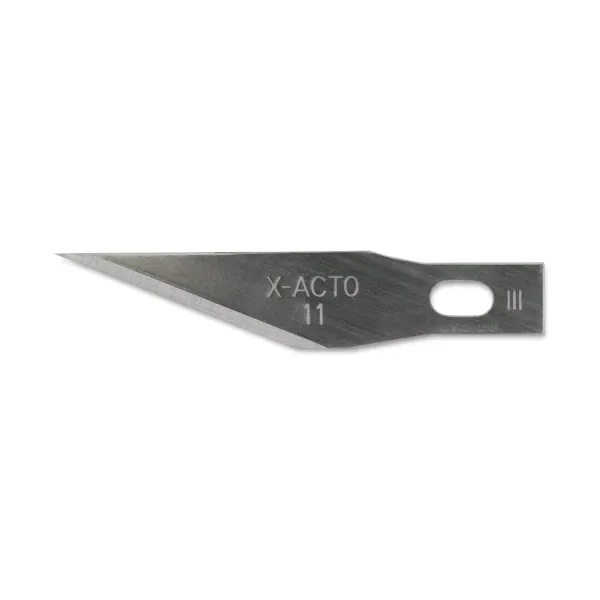
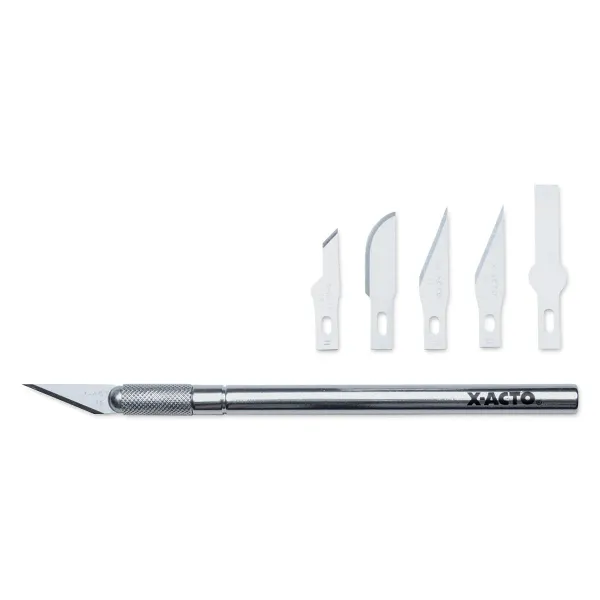
Cutting Tools
The cutting tools are the scissors, craft knives, and paper trimmers. They are used to paint with accuracy, on paper, canvas, or mixed-media elements. The importance of good safety practices stems from the fact that these tools are sharp and used regularly.
Uses:
- Trim paper, canvas, and boards with clean, straight edges
- Cut fine details for mixed-media and collage work
- Prepare materials quickly without rough or uneven cuts
- Support safe studio habits with sharp, reliable blades
Measuring & Marking Tools
Rulers, T-squares, and measuring tapes are valuable tools for measuring and marking. They help artists create balanced layouts and correct proportions. Accuracy is critical because it ensures that compositions are streamlined and that there are no errors that may be difficult to rectify in the future.
Uses:
- Keep drawings and paintings straight and evenly spaced
- Measure layout elements before applying paint or ink
- Support accurate scaling for large or detailed pieces
- Build consistent proportions for repeating design work
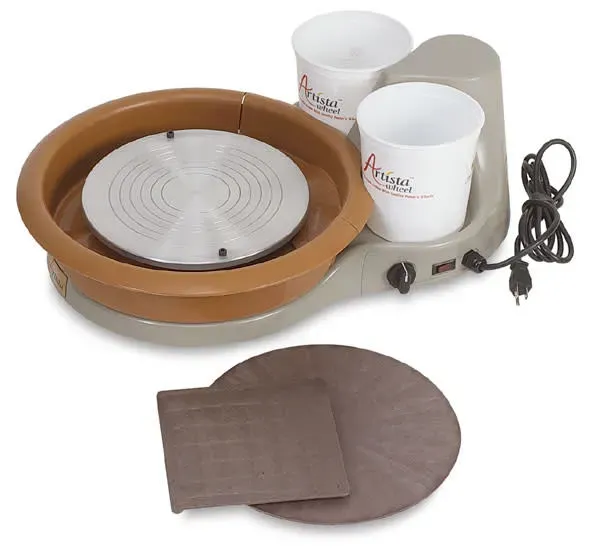
Sculpting Tools & Pottery Wheels
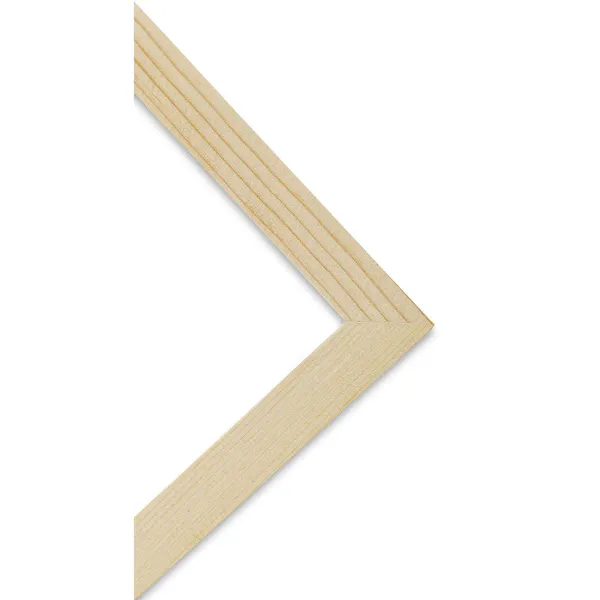
They are used to manipulate clay, giving artists the desired shape, surfaces, and smooth, uniform textures. In canvas or clay structures, tension and stability are supported by canvas keys, stretcher bars, and clamps. The reason surface tension is important is that it influences the behaviour of paint or clay when it is being shaped.
Uses:
- Frank moulded the clay into shape to smooth edges and forms.
- Applying tension to the canvas will maintain the firmness and stability of surfaces.
- Clamp material during gluing, stretching, or drying.
- Keep order in and minimize cracks in the sculpture.
How to Choose the Right Artist Tool for Your Work?
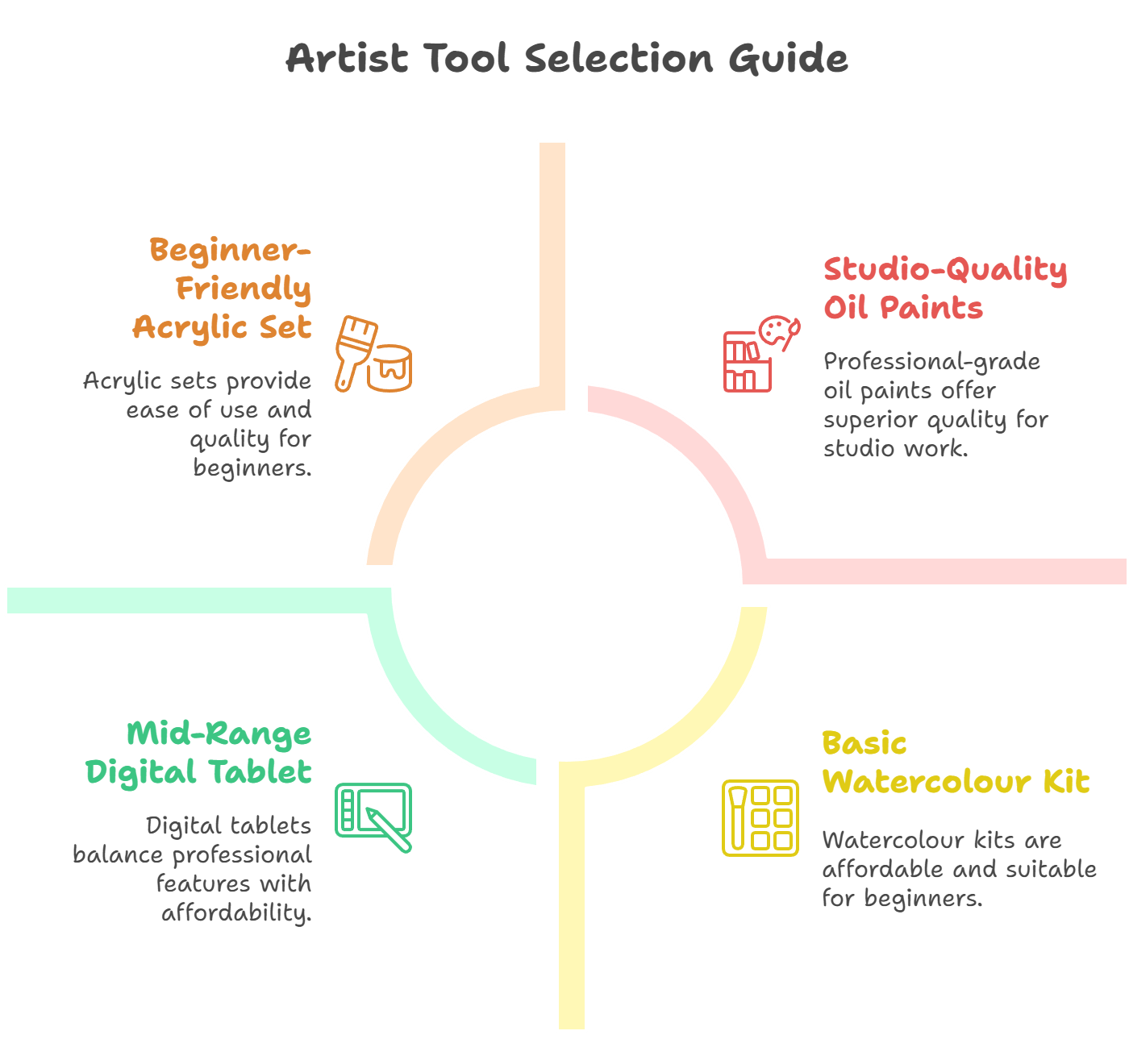
You can choose the right artist tools by matching them to your medium, skill level, comfort needs, and budget to support steady progress.
Match Your Tools to Your Medium
Different mediums need different tools because acrylic, oil, and watercolour behave differently on surfaces. There are also dry and wet media, with shapes and materials required. There are some overlapping tools that might be more effective for controlling a given technique than others.
Consider Your Skill Level
Beginners often need simple, easy-to-use, and basic control. Older artists use studio-quality tools that allow them to work more intensively and for longer. The level of skill is used to determine the precision, durability, and range you require.
Quality, Comfort, and Build
Quality affects how well a tool performs and how long it lasts. A good grip, balanced shape, and strong build help reduce strain and improve accuracy. Cheap tools slow progress because they wear out fast and make control harder.
Budget Range: What to Expect
Entry-level tools offer simple performance for basic learning. Mid-range tools give better comfort, durability, and control. Professional tools offer the highest precision and longest life for consistent studio work.
Best Artist Tools for Studio Setup
The best artist tools for a studio setup keep your workspace clean, organized, and efficient so you can focus on creating.
Cleaning Tools
Cloths, soap, and brush cleaners help remove paint and maintain the bristles in good condition. Clean tools last longer and remain untarnished. This will save money on replacing worn brushes.
Storage Tools
Brush holders, flat files, and tool cups will help you organize your space and keep your tools secure and protected from damage. Storage is good for keeping everything within reach and facilitating a more straightforward work process. It minimizes clutter also in small studios.
Support Tools
Water containers, spray bottles, and masking tape are used to control paint flow and for surface preparation. These miniature tools can address the most frequent studio issues with ease. They are simple and thus critical in any setup.
Final Thoughts
- Select tools that are relevant to you and your medium.
- Add comfort and long-lasting comfort.
- This is because you can start simple and upgrade as you proceed in skills.
- Have a good storage facility in your studio.
- Wipe down equipment to prolong its lifespan.
- Enhance workflow using support tools.
- Establish a structure that facilitates continuous innovation.
Frequently Asked Questions on Artist Tools
What Tools Do Beginner Artists Need?
Novice artists require basic brushes, a palette, primitive tools to cut, and a table. These tools assist them in exercising control, but not to make it complex.
What Are the Must-Have Tools for Painting?
Some essential painting equipment includes brushes, palettes, knives, and easels. These assist in easy application, mixing, and comfortable posture.
Are Expensive Artist Tools Worth It?
The high cost of these tools will pay off when you need their quality and enhanced control. They are longer-lasting in shape and deliver better outcomes.
How Do I Maintain My Artist Tools?
Maintain tools by cleaning them after each session and storing them properly. This prevents wear, damage, and early replacement.
What Tools Help With Canvas Preparation?
Tools used in the preparation of canvases are stretcher bars, canvas keys, and clamps. The tools are used to harden the surface and make it paintable.