Art Boards for Artists: Types, Sizes, and Best Uses
Explore art boards for artists, including types, sizes, and best uses. Learn which board works best for drawing, painting, and mounting.
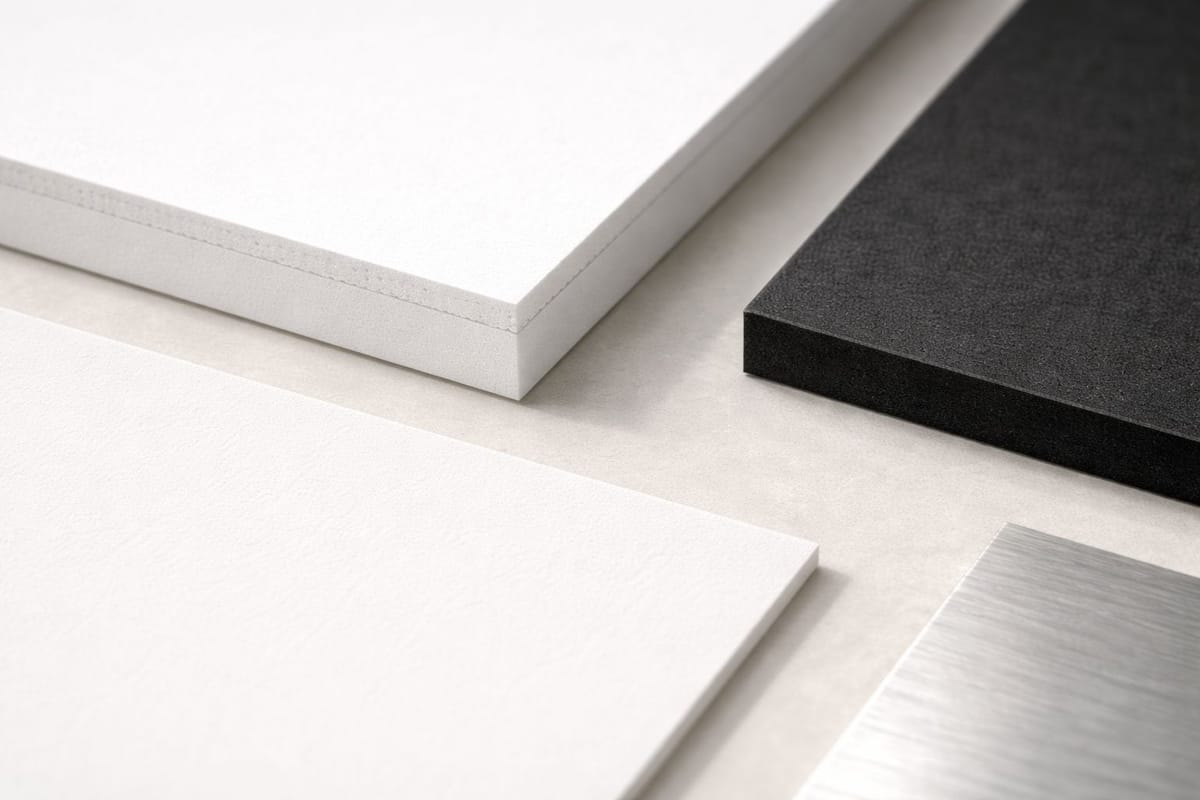
Art boards provide you with a hard, flat, drawing, painting, mounting, and clean presentation surface. They can be bent, which makes the edges, details, and finished pieces look professional. They make an excellent choice in studios, in classrooms that include design tables, in framing, and where it suits you to have your work flat in order to scan it, display it, or sell it.
What Are Art Boards?
An art board is a stiff, non-concave but supportive board that maintains artwork firm, as well as cleaner and less warped. Art boards are hard stands that are used to keep artwork in place. They minimize bending, enhance handling, and safeguard fragile surfaces in the working and handling process. There are also many boards which have surfaces prepared to take certain media, e.g., smooth faces to take ink and marker, or primed surfaces to take paint.
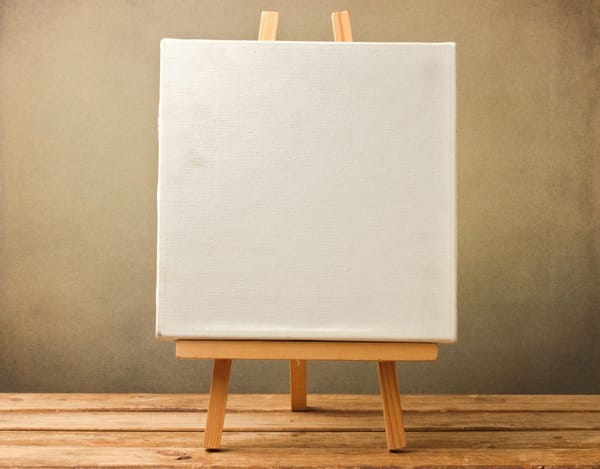
Art boards are not like canvas and sketch paper since they are stiff. You should use an art board when you require firmer support or cleaner mounting, to have a smoother finish, or when the piece should remain flat as it is housed in the frame or portfolio.
Different Types of Art Boards
Art boards come in several main types, from lightweight foam cores to dense paper boards and durable metal panels for different media and finishes.
White Foam Board
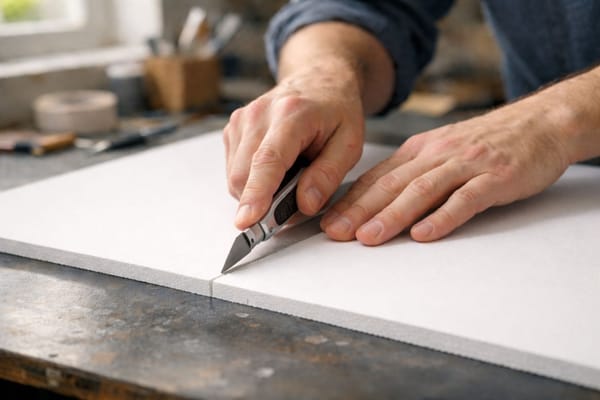
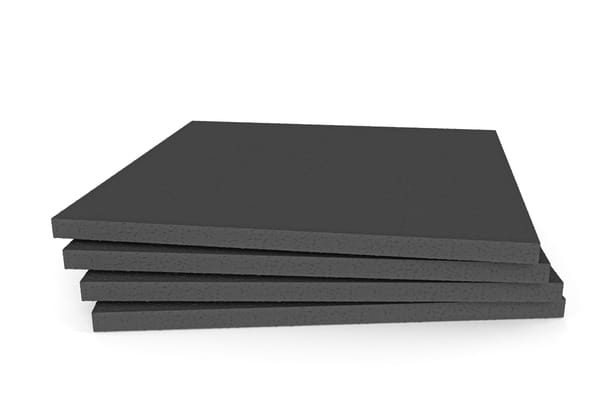
White foam board is an easily portable board that has a foam core and a smooth paper surface. It is produced by pasting layers of paper on a polystyrene center that is rigid.
Best uses
- Rapid prototyping and demos.
- Framing prints to have a light display.
- The stencils and clean templates are cut.
Pros
- Light and simple to trim
- Smooth surface for neat layouts
Limits
- Dents easily, especially on corners
- Can warp with moisture
Aluminum Artist Panel
An aluminum artist panel is a hard metal surface to be used as a long-term, stable painting surface. It is made of an aluminum sheet or composite material, after which it is coated or primed to have paint adhered.
Best uses
- Acrylic paintings with sharp detail
- Oil painting on a firm support
- Mixed media with heavy texture
- Archival work that must stay flat
Pros
- Very stable and warp-resistant
- Great for clean, smooth finishes
Limits
- Higher cost than paper boards
- Some media may need extra priming
Mounting Boards
Mounting boards are dense paper-based boards used to support and present finished work. They’re made by compressing layered paper fibers into a stiff, flat sheet.
Best uses
- Matting and framing support
- Mounting photos and art prints
- Backing for finished drawings
- Portfolio presentation and protection
Pros
- Creates a clean, professional look
- Helps artwork stay flat
Limits
- Slim sheets may get bent in the course of manipulation.
- Types not archival can discolour with time.
Poster Board
The poster board is a heavy paper board used in displays and signs, and in school work. It is created through layering paper stock and pushing it into a smooth sheet that is solid.
Best uses
- School displays and posters
- Signs, charts, and layouts
- Simple crafts and cutouts
- Quick marker or pen designs
Pros
- Affordable
- Good for writing and drawing
Limits
- Not ideal for wet paint
- Creases and warps more easily
Bristol Board
Bristol board is a smooth and heavy paper board on which clean illustration work is done. It is produced by gluing a series of paper layers to create a bright and strong piece of paper.
Best uses
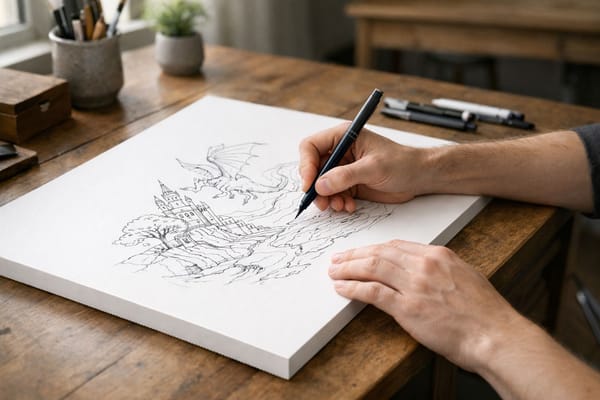
- Ink drawings and line art
- Marker work and smooth blending
- Colored pencil with sharp detail
- Lettering and calligraphy practice
Pros
- Smooth surface for clean lines
- Holds detail better than sketch paper
Limits
- Some markers can bleed through
- Heavy washes can buckle it
Shikishi Boards
Shikishi provision boards are artistic boards used in brushing and holding displays of the Japanese. They are created using a layered board and paper, and this is usually with a stylish edge of gold.
Best uses
- Sumi-e and brush ink art
- Light watercolor studies
- Calligraphy and decorative lettering
- Small display-ready gift pieces
Pros
- Presentation-ready look
- Great for brush techniques
Limits
- Smaller standard sizes
- Too much water can warp it
Art Board Sizes, Thickness, and Finishes
Popular sizes of art boards are 9x12, 11x14, 14x17, 16x 20, and 18x 24. Most are an approximate size of a popular mat and frame, and so they are easier to finish. Presentations and display boards will also be done on larger sheets.
Thickness may be in terms of thin boards to be used in light mounting or thick panels to be used during painting. The aspect of thickness is the most crucial one with wet media, rich texture, and frequent handling. During storage and transportation, thinner boards are also favored due to this fact.
Finishes vary by board type:
- Smooth surfaces work best for ink, marker, and clean detail.
- Vellum/toothy surfaces help with graphite and colored pencil control.
- Textured or primed surfaces help paint grip and improve the final look.
Acid-Free vs. Non-Acid-Free Art Boards
Acid-free boards resist yellowing and breakdown, while non–acid-free boards can stain and damage artwork faster. Here are the core differences between them:
How to Choose the Right Art Board?
Choose Based on Medium
Whatever your media likes to do, choose your board. Wetted media normally require boards that are thicker and sealed or primed. Dry media tend to make more sense when using smoother boards or boards with the right tooth.
- Acrylic/Oil: primed panels, wood panels, or aluminum panels
- Ink/Marker: smooth Bristol or illustration board
- Colored Pencil/Graphite: Bristol (smooth or vellum), drawing board
- Mounting/Framing: acid-free mounting board
Choose Based on Skill Level
- Learner: foam board, poster board, or Bristol in an effortless manner.
- Student: Bristol or mounting board to do a better job at cleaning and to be able to store it better.
- Professional: finish and longevity of boards, primed board, aluminum, or acid-free.
Choose Based on Final Use
- Framing: customized-size acid-free boards.
- Display: poster board and foam board to be used as a temporary display material.
- Practice: non-archival boards, which are of lower-cost, are okay in tests and drills.
- Selling art: archival boards that are rigid and do not curve, and can be photographed.
How to Store and Care for Art Boards
You should store art boards flat in a dry, clean space, protect edges, and avoid heat, direct light, and sudden moisture changes. Good storage keeps boards from bending, swelling, yellowing, or picking up dents. It also helps your artwork stay smooth and ready for framing, scanning, or selling.
- Keep the boards of the stores all flat between clean sides to avoid scuffs.
- Store boards in a dry place, not near humidity, windows, or damp spaces.
- Carry a hard portfolio case to guard corners whilst traveling.
- Seal boards that were used with wet media in order to minimize warping.
- The thin boards should not be inclined more than necessary.
Final Thoughts
- Art boards enhance a cleaner, more stable, and controlled surface of work.
- Depending on your medium, finish goals, and the way you are going to display it, the best board will depend on that.
- The thickness and texture can vary on the surface, altering the behaviors of your lines and paint.
- Framing, storing, and selling finished push works are safer when using acid-free boards.
Frequently Asked Questions
What Is the Best Art Board for Beginners?
Bristol board and foam board are well-suited to newcomers since they are not difficult to use, affordable, and assist in manipulating lines and edges.
Can You Paint Directly on Art Boards?
Yes, but paint works best on boards that are sealed or primed. Always test first, because unsealed boards can buckle and dry unevenly.
Are Art Boards Good for Acrylic Painting?
Yes. Thick, primed panels (and aluminum panels) support acrylic well, including textured strokes, because they don’t flex like thin paper.
Do Art Boards Warp Over Time?
Some can, especially with humidity or one-sided wet paint. Using thicker boards, sealing surfaces, and storing them flat reduces warping a lot.
Are Art Boards Suitable for Framing?
Yes, especially acid-free boards. Use archival mounting methods and keep the artwork from touching glass with a mat or spacers.