How to Use White Foam Board for Illustration?
Learn how to use white foam board for illustration - clean lines, smooth surfaces, and easy mounting. See tips artists use for best results.

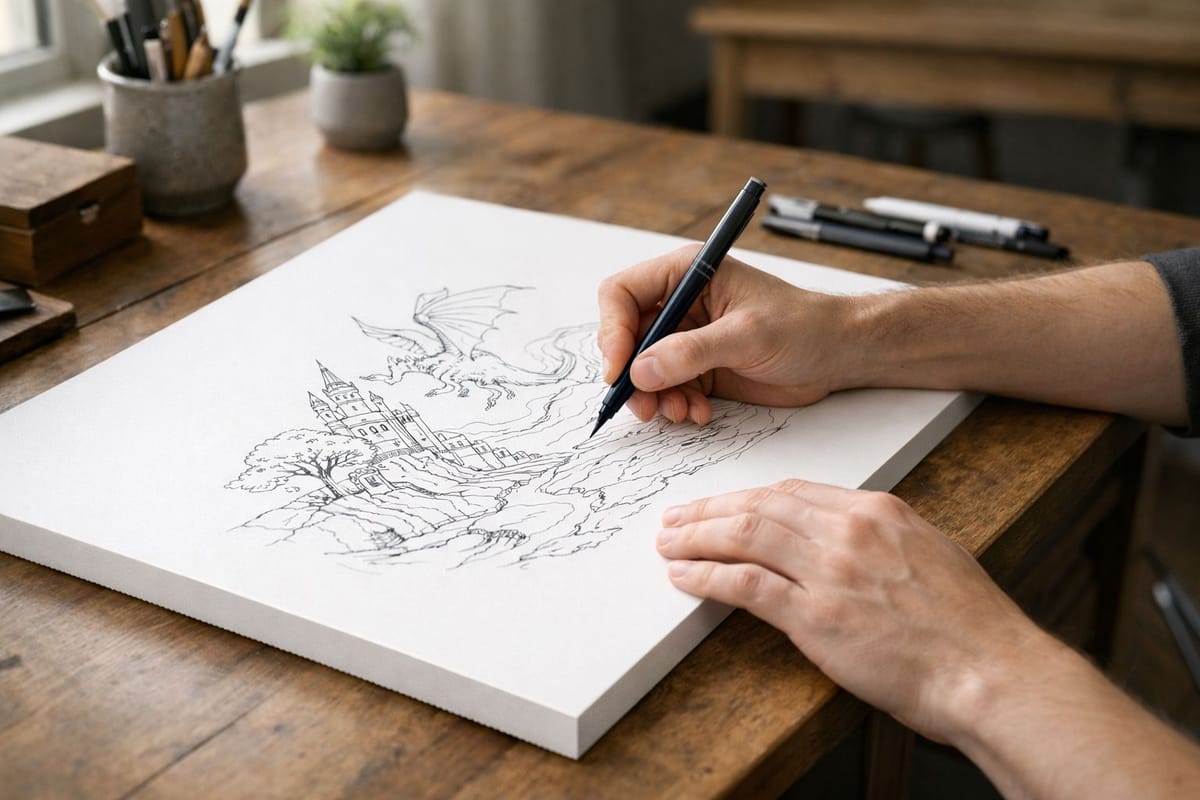
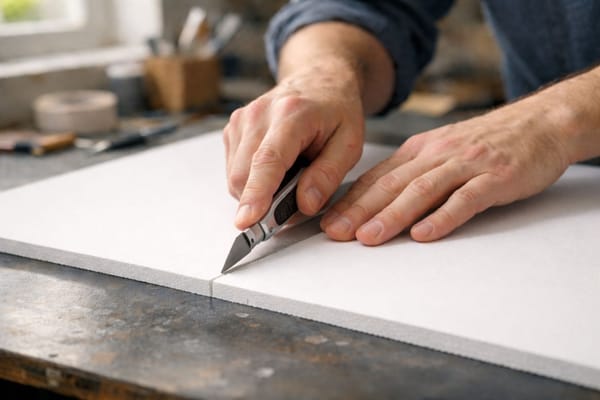
White foamboard is an optional minor embellishment that makes the work of illustration feel more comfortable. It makes the paper flat, prevents sliding, and presents completed pieces with ease. That's why you see it in school studios, home desks, and portfolio setups all over the world. Still, it is not the main drawing surface. Most illustrators use it as support, backing, and presentation help, while the actual drawing happens on proper illustration paper.
Why White Foam Board is Used for Illustration?
White foam board for workhelps illustrators keep paper flat, prevents it from sliding, and presents finished pieces neatly for reviews and submissions today. It also protects corners when you carry work to class or a client. Most of the time, it supports your paper rather than replacing it.
White Foam Board as a Support Surface
Foam board keeps illustration paper flat, so your lines stay consistent. It also prevents movement when your hand shifts during detail work. As a result, you spend less time fixing drift and misalignment.
White Foam Board as a Presentation Board
Foam board provides finished illustrations with a clean, bright background that photographs well. It aids in making portfolios presentable for review, submission, and classroom critique. Another use is that it prevents the edges from getting damaged when you pack work into a bag.
What White Foam Board Is Not Meant For
Foam board is not ideal for heavy paint, wet washes, or soaked brush pens. Moisture can ripple the face and cause slow warping. It is not a replacement for illustration paper and its erasable surface.
How to Choose the Right White Foam Board for Illustration?
Choose white foam board by checking thickness, face smoothness, and size, then decide if you need acid-free backing for archives.
Best Thickness for Illustration Work
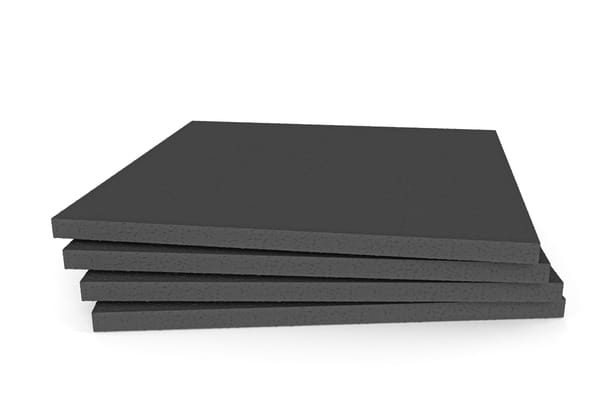
Thin boards are used when you simply need to support your desktop. Medium boards are again superior in mounting and handling. If you commute a lot, medium thickness tends to be corner-resistant.
Surface Quality Illustrators Should Check
The face should be smooth and without texture, and will not cause a print in paper. Dented boards, soft or crushed corners, are to be avoided. Minor damage can be manifested even during line work upon pressing.
Size Selection Based on Illustration Type
Small boards suit detailed illustrations and quick studies that you rotate often. Larger sheets work better for posters, layouts, and portfolio presentations. Choose a size that fits your case, so corners stay protected.
Preparing White Foam Board for Illustration
Prepare the foam board by wiping off dust, ensuring it lies flat, and planning borders before you tape the illustration paper down securely.
Cleaning and Inspecting the Board
Wipe down with a dry, clean cloth to remove grit. Then place it on a table and examine it for rocking or bowing. Should it be crooked, without it to the last finish.
Setting Up a Flat Working Area
Ensure that the board is on a hard desk, not a flimsy one. I would support the whole board so the edges don't stick to the table. This maintains even pressure and helps your lines to remain straight.
Creating Clean Borders Before Starting
Use low-tack masking tape to set clean borders and control margins. Measure lightly if you want even spacing for presentation. Then gently press the tape so the removal won't tear the paper later.
How to Use White Foam Board for Illustration?
Use foam board by taping paper firmly, drawing on the supported surface, keeping it clean, and removing tape slowly afterward.
Step 1 – Securing Illustration Paper to Foam Board
Tape the corners first, then add small strips along edges if needed. This prevents paper shift during line work and careful lettering.
Step 2 – Using Foam Board as a Drawing Support
Rest a hand when you feel like straining; leave it to the beam. Do not use too much pressure, as dents are formed with smaller papers.
Step 3 – Working with Ink, Pens, and Markers
A firm surface would allow you to maintain weight in the stroke more consistently and achieve cleaner lines. Provided you use markers, slap scrap paper beneath your sheet to prevent bleed-through.
Step 4 – Managing the Board During Long Illustration Sessions
Rotate the board instead of twisting your wrist into awkward angles. Also, brush away eraser dust, so it doesn't smear into your work.
Step 5 – Removing the Illustration Safely
Peel tape back slowly at a low angle, not straight up. If it feels stuck, warm it with your fingers, then continue gently.
Drawing Directly on White Foam Board (When Illustrators Do It)
Foam board is used only to create quick comps or studies, as dents and bleed-through do not allow easy corrections meant to be made later.
Suitable Illustration Styles
Line-based sketches can work when you keep the pressure light and simple. Marker studies also work for quick value planning and rough colour blocking. These are usually short-term pieces, not archive-ready originals.
Tools That Work Best
Fine liners take good bites since they slide without any heavy pressure. Reflector markers may be used, but initially, it is necessary to test feathering and bleeding. Hard pencils can sketch lightly, and deep shading is easily dented.
Risks of Drawing Directly on Foam Board
Denting is common, especially during tight detail work and repeated passes. Ink can bleed or feather on lower-grade faces, which looks messy. Also, erasing can tear the surface, so corrections stay limited.
How to Mount Illustrations on White Foam Board
Mount illustrations on white foam board using light, clean adhesives to keep the art flat, aligned, and ready for work.
- Apply archival hinge pieces to cleanly and permanently removably Mount.
- Follow a ruler at the beginning, then gently follow the top edge.
- Wipe off the adhesive from the artwork surfaces, particularly in the ink areas.
- Apply pressure with clean paper on top to prevent dents and fingerprints.
- Install corner protection when you are carrying boards back and forth to reviews or shows.
Common Mistakes When Using White Foam Board for Illustration
Common mistakes include using wet media nearby, pressing hard, and storing boards upright, which can cause dents and warp quickly.
Using Wet Media on Foam Board
Wet media can soak the paper faces, causing bubbling or waves. Even light washes may warp the board as it dries. If you must use wet tools, keep them on illustration paper, not the foam board.
Pressing Too Hard While Drawing
Excessive pressure may dent the board and result in uneven support for the paper. That unevenness might account for the lack of smooth lines on pens and the fills on markers. A lighter grip usually fixes this, and this keeps your setup cleaner.
Storing Boards Improperly Between Sessions
Board storage can easily bend boards, particularly in damp rooms, when they are stored upright. When boards are stacked recklessly, dust and grit may leave an impression on the surface as well. Lay flat, using a clean sheet between the boards to cushion the faces.
Final Words:
- Foam board is effective as a support, backing, and presentation assistance.
- It manages paper in position, thus keeping your line work a lot in check.
- Select butt faces and corners that are smooth and of the correct thickness.
- Tape and make sure the surface is not exposed to marker bleed-through.
- Frame using light techniques when you frame.
- Keep boards in stores flat and dry to prevent warping between fittings.
FAQs On White Foam Board for Illustration
Can You Illustrate Directly on White Foam Board?
Yes, but it will accommodate rapid comps and sketchy studies. Illustration paper appears cleaner when the work is finished.
Is Foam Board Safe for Ink Illustration?
Yes, because supporting it is a good way to maintain strokes. A barrier sheet should be used to avoid bleed-through marks.
Does White Foam Board Damage Illustration Paper?
Not usually, if you use low-tack tape carefully. Strong tape and rough boards can tear edges.
Can Mounted Illustrations Be Framed Later?
Framing of mounted illustrations is no problem. Archival tape is recommended for long-term safety.
Will Foam Board Warp During Illustration Work?
It can distort heat or humidity variations. The risk is mitigated by flat storage and dry rooms.