Gatorfoam Board for Artists: Rigid Support for Professional Artwork
Upgrade your artwork with Gatorfoam board - rigid, warp-resistant support made for professional painting, mounting, and display.

Mounting artwork may be easy until your print gets crooked, your boarding gets deformed or your straight edges become disheveled under sunlight. Even those little problems can make you forget your job within a short time. Surface support is just as important as the artwork itself since it determines the flatness, handling and the overall appearance on a wall. Gatorfoam Board fixes many of these common problems by giving you a rigid, cleaner, and more durable base for presentation.
What Is Gatorfoam Board?
Gatorfoam Board is a rigid foam-based mounting board that artists use to keep artwork flat, clean, and stable for professional presentation. It is built to feel stronger than basic foam board, so it handles weight and movement better. It also gives you a firmer surface for cleaner cuts and a more finished display.
Foam Board Built for Extra Rigidity
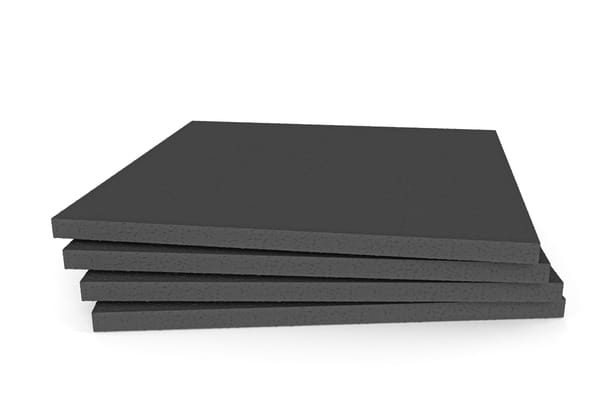
The board uses a high-density foam core that feels firmer than standard foam core when you hold it in your hands. Its outer layers are tougher than paper-faced boards, so the surface resists dents and soft crush marks. That combination makes it feel more like a rigid support panel than a light craft board.
How It Differs from Regular Foam Board
Regular foam board can flex more, especially on larger sizes, which can cause bending during mounting and transport. Gatorfoam Board is stiffer, and that stiffness helps the artwork stay flatter over time. The surface also handles better, so it looks cleaner after repeated use.
Why Artists Treat It as Art Support (Not Just a Display Board)
The board is a backing that is commonly used by artists that gives strength to a completed work without excessive weight. It also assists artwork in remaining flat and clean, and this is important when delivering art to clients, in portfolios, and at shows. It is also easier to mount and carry due to its ability to maintain its shape, unlike most of the light boards.
Why Artists Use Gatorfoam Board
Artists use Gatorfoam Board because it stays flatter, cuts cleaner, and supports professional mounting without the weight and bulk of wood panels.
Strong, Rigid Support
The dense center does not bend and warp, thus assisting the artwork to avoid appearing wavy on the wall. It supports large or heavy pieces of artwork flat over time, despite the frequent movement or handling of the piece. This suspends the corner lift and surface "waves" which may occur with weaker backing.
Clean, Professional Edges
Dense surface layers cut cleaner than basic foam core, so your edges look sharper and less crushed. That clean cut line makes the board look more finished, even when it is visible around the artwork. In a gallery-style presentation, those cleaner edges help the full piece look intentional and polished.
Lightweight but Durable
It is not as complicated as wood panels are; when you have to carry several pieces it has been mounted on at the same time. It remains heavy enough to be transportable and storeable, which is important when one has to move studios or install an art fair. You are not as concerned when making a delivery to a client or when setting up a display as the board becomes hard in your hands.
Common Art Uses of Gatorfoam Board
Gatorfoam Board is commonly used for mounting, backing, and presenting artwork when you need strong support, clean edges, and long-term flatness.
- Embarking on photography and fine art photography.
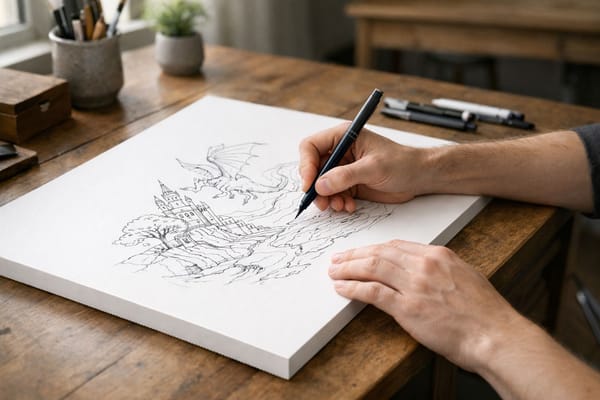
- Supporting drawings, posters, and paper-based mixed media.
- Review and submission portfolio presentation boards.
- Exhibition and gallery display boards and trade show display boards.
- In support of the mat board of frame packages.
Gatorfoam Board vs Other Art Boards
Comparing boards helps you match the support to the artwork, the display style, and how long you need it to stay perfect. Some boards look great but lack strength. Others are strong but heavy or costly. This section helps you choose what fits your workflow best.
Gatorfoam Board vs Foam Board
Foam board is lightweight and is cheap; however, flex and dent easier, particularly on big pieces. The board is more rigid and therefore maintains its shape as it is mounted, carried, and hung. When your display will be short-term and low handling, it can be made with foam board, but Gatorfoam Board can be the winner when it is to be used many times and looks better.
Gatorfoam Board vs Mat Board
Mat board is mainly for framing and visual presentation, not for heavy structural support. It gives a clean look around artwork, but it can still bend if used alone behind a large piece. Many artists use mat board for the visible border and Gatorfoam Board behind it for the rigid support.
Gatorfoam Board vs Illustration Board
Illustration board is often chosen as a working surface because it can feel smoother and more “draw-ready” than support boards. Gatorfoam Board is usually chosen for structure, not as the best surface for detailed drawing work. Many artists combine them by creating on illustration board, then mounting it to Gatorfoam Board for a stiffer final presentation.
Gatorfoam Board Sizes
The sizes matter because the right sheet size and thickness help your artwork stay flat, look balanced, and travel safely.
Standard Sheet Sizes
Artists tend to purchase standard sheet sizes and cut them into the size of the artwork, together with a clean border. You can use artwork sizes to choose a size so that you can avoid crammed edges, which appear hasty or irregular. It is also a good idea to leave trimming space so that you square the corners and leave the final presentation clean.
Thickness Options and Rigidity
Thin boards are easier to cut and lighter to carry, but they can flex more on larger formats. Medium and thick boards feel more solid, and that extra rigidity can make a big difference for oversized prints. Thickness can also affect the feel of the edge, since thicker boards create a stronger border presence.
Choosing the Right Size and Thickness for Artwork
Smaller works can usually be done with thin ones due to the decreased flex with the reduced range. Thick boards are normally preferred in large prints since weight and gravity have a greater influence on wide surfaces. Display walls frequently require greater rigidity than display tabletops, and heuristics of transportation can encourage you to switch to thicker boards.
How to Cut Gatorfoam Board Cleanly
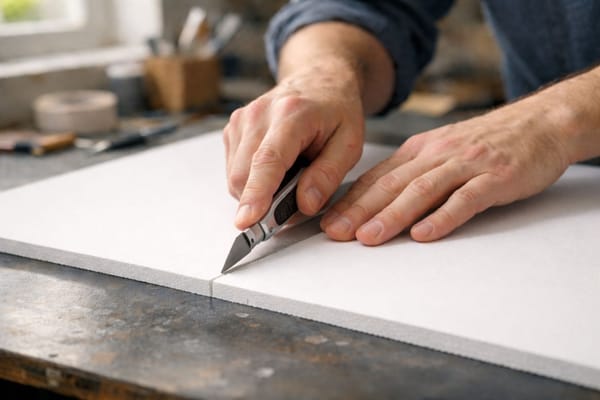
Cut the board cleanly by using a sharp blade, a firm straightedge, and slow light passes that keep the edge smooth.
Tools for Sharp, Professional Cuts
A utility knife, craft knife, or a sharp utility knife is much easier to use than scissors or a dull blade. A metal ruler can be used to maintain the straightness and stability of the cut, particularly when the cut is along the longer edges. A cutting mat safeguards your surface and helps you maintain the level of pressure throughout the whole surface.
Cutting Techniques for Clean Edges
Make several light cuts rather than make one deep cut, as deep cutting can crush the edge. You need to maintain the blade in an upright position by keeping it stable in order to maintain a straight and square cut line. Use a hard ruler and only move slowly so that the blade does not drift or wobble.
Avoiding Rough or Chipped Edges
Replace blades often, because dull blades tear surfaces and leave rough spots along the edge. Cut on a stable surface so the board does not shift while your blade is moving. Avoid twisting at corners, and lift the blade fully before changing direction.
What Are the Differences Between Gatorfoam Board and Regular Foam Board
The board is stiffer, more dense in surface layers, and typically cuts better edges as compared to regular foam board. Lightweight foam board is less expensive and does not require as much force to bend and dent in a display, however. The heavier mounting and transportation is frequently done using Gatorfoam Board, whereas simple displays are usually done using the normal foam board anda temporary presentation.
Gatorfoam Board vs Regular Foam Board
Where to Buy Gatorfoam Board?
- Blick Art Materials is a common choice when you want reliable stock, multiple sizes, and options that fit art and display workflows.
- Amazon is convenient when you have to stock the studio fast, have a choice of brands, and have it delivered easily. Thickness details, buyer notes regarding rigidity, and packaging quality can be checked.
Final Words
- Gatorfoam Board is suitable when the artist requires rigid support but without the need to take on a curved shape during mounting, display and transport.
- It provides a solution to most mounting challenges, such as warping, bending, corner lift, and low support.
- Sharp edges and a hard shell display a more professional presentation in portfolios and exhibitions.
- It stays lightweight, so you can carry multiple pieces without the weight of wood panels.
- It is worth the extra cost when the artwork will be handled often or shown to clients, judges, or buyers.
- For high-value originals, use smart mounting methods and consider barrier layers if long-term preservation matters.
Frequently Asked Questions
Is Gatorfoam Board Acid-Free?
Some board options are marketed as acid-free, but it depends on the brand and exact product line. If you are mounting originals or long-term pieces, check the product label and specs before you buy.
Does Gatorfoam Board Warp Over Time?
It usually stays flatter than regular foam board because it is more rigid. Still, high humidity, heat, or pressure during storage can cause bending, so keep it stored flat in a dry place.
Can The Board Be Framed?
Yes, it can be used as a strong backing inside frames, especially for larger prints. It also works for a simple, clean presentation where the mounted piece is displayed without a full frame.
Is It Better Than Foam Core for Art?
It is usually more suitable to mount and present as it is stiffer, less dented, and presents edges in a cleaner way. Foamboard may also be utilized in temporary displays, and is quick, when it does not have to be difficult to construct.
What Thickness Should Artists Choose?
Thin sheets work well for small, lightweight prints and easy cutting. Medium thickness is a solid everyday choice for portfolios and standard mounting, while thicker boards are best for large artwork, heavier pieces, or frequent transport.