A Complete Guide on Painting at an Easel for Better Results
Learn how to paint comfortably and confidently at an easel with easy tips, setup guidance, and techniques that improve control, posture, and final results.

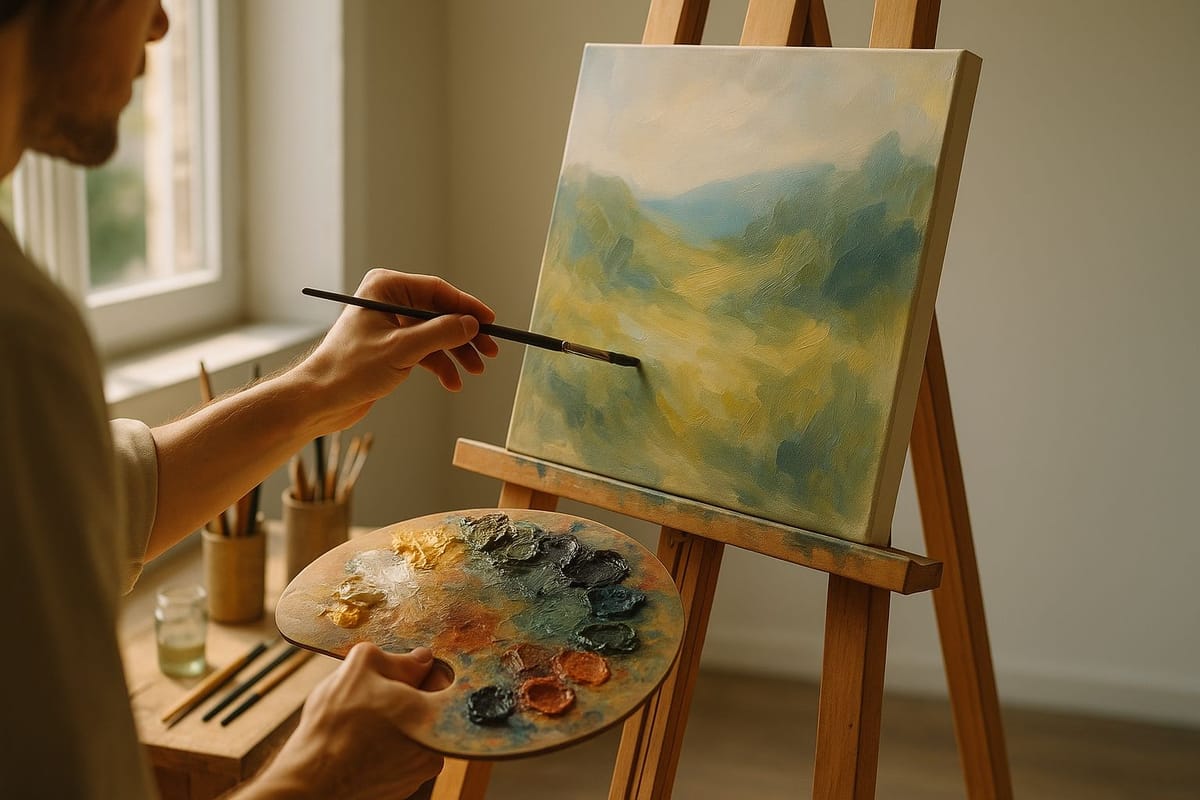
Painting at an easel helps artists maintain good posture, make sharper brushstrokes, and see more clearly while working. It develops a natural angle that enhances decision-making, accuracy, and the overall movement of art. Whether you are developing new skills or refining advanced techniques, this method gives you more control and comfort throughout every stage of your artwork.
Painting at an Easel: What It Is and How It Works?
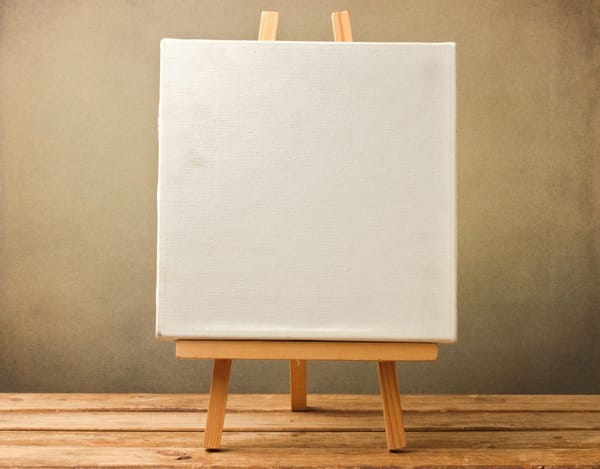
Painting at an Easel means working on a canvas held upright on a stand, allowing clearer proportions, better posture, and smoother brush control. The easel prop holds the surface, allowing it to be elevated, lowered, or tilted to suit the artist's natural view. This composition makes the canvas look like a vertical window and not a desk, thus simplifying each mark and improving it.
Artists at all levels use this method because it improves ergonomics and provides clearer sightlines. Amateurs feel more confident due to better visibility; amateur hobbyists are more comfortable when working longer hours; and professionals can appreciate the accuracy of a raised surface. This will give more space to move around, less strain, and allow the accurate proportions as compared to working on a table in a flat position.
Why Painting at an Easel Improves Technique and Results
Painting at an easel enhances technique because the natural working angle provides better arm action and allows the artist to assess shapes, tones, and proportions with less distortion. This makes it a controlled, prudent way to paint, resulting in consistent results.
Better Posture and Viewing Angle
An upright canvas keeps the head level and the spine aligned, rather than bending forward. This reduces neck and shoulder strain during long painting sessions. With the surface facing directly forward, proportions and angles are easier to judge accurately from top to bottom.
More Natural Brush Movement
A standing or seated position at an easel encourages movement from the shoulder and elbow rather than tiny wrist motions. Long, sweeping strokes become easier, leading to more expressive, confident lines. This natural movement also helps create smoother transitions when blocking in skies, fabrics, or broad shadow areas.
Improved Light and Shadow Perception
Light is distributed more evenly on a vertical surface, particularly when you put it in the studio. This simplifies the comparison of highlights, midterms, and shadows without severe glare and distortion. As a result, form appears more transparent, and subtle changes in value can be controlled with greater precision.
How to Set Up Your Easel Correctly?
The proper easel position is to make the canvas parallel to the eye level, the support is stable, and the tools are within easy reach. By doing this, the body will be relaxed, and the eyes will be concentrated on painting. To make your easel stand, you need to assemble it correctly to ensure comfort, control, and stable working conditions.
Adjust the Height to Match Comfort
The middle of the canvas should sit close to eye level, whether standing or sitting. For a tall painting at an Easel, the active working area can be moved into this zone by raising or lowering the easel. Small height adjustments prevent constant bending or stretching, which protects comfort over time.
Secure the Canvas
The canvas needs to sit firmly in the top and bottom supports so it does not wobble when brushes touch the surface. Any movement from loose clamps or uneven legs can disturb precise lines or delicate edges. A stable setup allows pressure, blending, and scrubbing without fear of shifting the image.
Place Your Palette and Tools Within Reach
The medium, palettes, brushes, rags, etc., must be placed on the side that corresponds to the dominant hand. The layout maintains short, smooth movements when changing colours or tools. The clean, accessible layout keeps the rhythm and reduces extraneous twisting, turning, or movement off the canvas.
Best Techniques for Painting at an Easel
The best techniques for painting at an easel are to use full-arm motion, step back frequently, and move from broader shapes to finer details. These practices enhance visual judgment, organization, and artistic confidence overall.
Use Full-Arm Movement for Long Strokes
Larger strokes feel more stable when they begin from the shoulder and travel through the arm. This produces flowing lines that outline form and direction within a short time. Large sweeps serve to maintain energy within the subject matter, the backgrounds, the drapery, and the large structures.
Step Back Regularly
Stepping back a few steps reveals the painting as a whole instead of only tiny sections. Distance makes imbalances in value, proportion, or focus easier to notice. Frequent glances at a distance deter excessive working of smaller parts before the greater whole is hard.
Work From Large Shapes to Details
Early stages should focus on the biggest shapes and value groups rather than eyelashes, buttons, or tiny highlights. Once all those foundations are right, smaller features can be in the right place and remain in harmony. This sequence keeps the painting in order and makes future heavy corrections unnecessary.
Best techniques to remember:
- Begin each session with loose, light sketch marks
- Block in major darks and lights before colour refinement
- Keep brushes clean to avoid muddy mixtures
- Vary stroke direction to follow form, not habit
- Pause often to compare the reference and canvas
- Use a timer or breaks to prevent tired, careless marks
How to Choose the Right Supplies for Easel Painting?
Choosing the right supplies for painting at an Easel depends on your painting medium, brush type, and surface texture, all of which influence flow, control, and the final look of your artwork.
Paint Considerations (Acrylic, Oil, Watercolour)
Acrylic paint can dry quickly, making it an excellent choice for repeated studies and rapid corrections on an easel. Oil paint remains longer, so that there is ample time to blend without gradations being pronounced. Water paint requires a well-cut board and a gentle incline so the washes flow in calculated directions rather than in a stream of random flows.
Brushes Best Suited for Easel Work
The long-handled brushes are handy because they keep out of the way yet still give control of the canvas. This area makes judging proportions easy and prevents tight movements. The variety of shapes, flats, filberts, and rounds can then be resorted to, alternating between broad planes and narrow edges cleanly.
Canvas Type and Texture
Linen provides a durable, refined surface that works well for detailed, layered painting. Cotton canvas offers a more affordable, versatile option for practice pieces and finished work alike. Proper priming with gesso or prepared grounds ensures the paint grips well and sits cleanly on the texture.
Common Mistakes to Avoid When Painting at an Easel
Common mistakes in painting at an Easel often come from poor height, awkward distance, and focusing on details before the overall structure and values are properly established.
- The canvas is either too low or too high, so it requires constant bending or stretching.
- Excessive use of small spaces before completing the large shapes.
- Getting too near and losing a proper view of the big picture.
- Disregarding room lighting that, in turn, leads to glare or uneven light on the surface.
- Knee locking or prolonged sitting posture without taking any short pauses.
Final Thoughts
- An easel supports a healthier position and easier viewing of the entire canvas.
- The style of work on the edge supports confident, full-arm brushstrokes and cleaner forms.
- The correct setup and provision selections ensure that sessions are easier and pleasant.
- The distance, light, and structure are given focus, resulting in more solid finished paintings.
FAQs
Is an Easel Necessary for Serious Painting?
An easel is not strictly required, but it strongly supports good habits. Better posture, clearer sightlines, and less distortion make serious study and improvement easier.
Can Small Canvases Be Used Comfortably on an Easel?
Small surfaces work well on tabletop or adjustable easels. Proper height and stable clamping help even tiny paintings feel controlled rather than fiddly.
How Far From the Canvas Should an Artist Stand?
The comfortable distance typically allows the brush to touch the surface with a slightly bent arm. Taking a break every 100 steps provides additional multiplicity of the rhythm but not its breaking.
Does Easel Angle Matter When Working With Different Paints?
Even a slight backward inclination would be appropriate for oils and acrylics, with contact drips and glare. Very fluid media, such as watercolour, can require a less aggressive angle or even an almost upright board to allow washes to be portable.
What Type of Easel Is Best for Home Studios?
An A-frame or H-frame easel, which is sturdy and adjustable, is appropriate for most homes. The two styles can be folded or compressed for storage without losing sufficient strength for regular, long-term use.