How to Choose the Right Art Knife for Drawing, Cutting, and Mixed-Media Art
Choose the right art knife with ease. Learn blade types, uses, and safe techniques, so you cut, trim, and shape with precision.

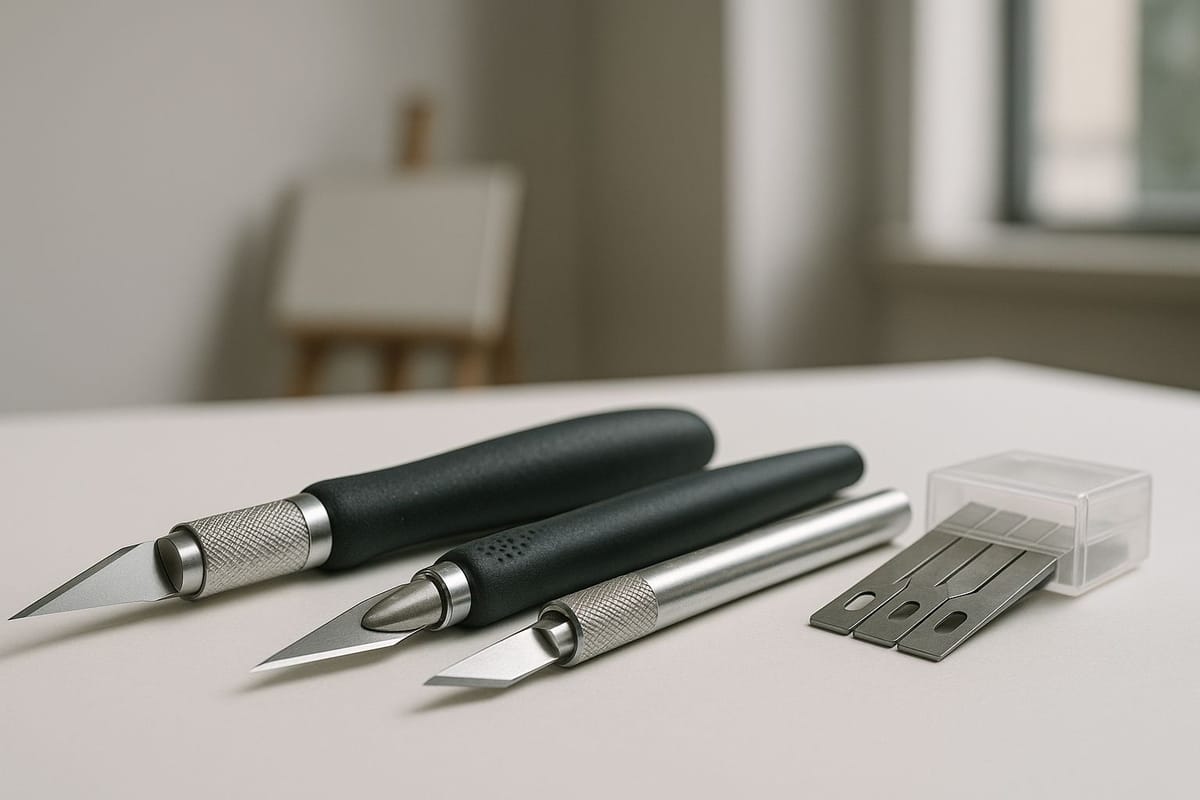
A creative art knife usually has a very silent but significant impact on art. The correct art knife can make you feel very different during the creative process. The paper artists, crafters, and mixed-media artisans use sharp, responsive blades to cut clean edges, shape and refine, and add finer details. The knife that does not fit well is immediately noticeable: you can see fuzzy cuts, ragged corners, sore hands, and wasted material. The second one allows a feeling of comfort. At the end of this guide, you will understand the type of knife that will suit your work and the reason that it is more important than most people think it is.
What Is an Art Knife?
An art knife is a miniature version of a precision artist tool used in delicate cuts, surface shaping, and fine details in most creative activities. Its design is unlike that of a utility knife, which is heavier and more forceful, and a medical scalpel, which is designed for cutting surgical-grade tissue. Work that requires sharp stencil lines, precise trimming of paper or masking tape, or controlled shaping with pencil lines or marked measurements is typically supported by an art knife.
Why Does Choosing the Right Art Knife Matter?
The importance of an art knife becomes clearer once the material and cutting style meet the blade. The alignment between both factors influences accuracy, comfort, and long-term hand health.
Benefits appear in several areas:
- Clean and accurate cuts
- Better comfort and control
- Reduced hand pain during the long sessions.
- Less refined, the work is created in layers of mixed media.
Artists at every level experience noticeable differences when a knife suits their hand shape, pressure style, and preferred materials. For those with more experience, a well-matched knife blends into the process so smoothly that it becomes part of the natural flow of creating.
Types of Art Knives and When to Use Them
Different art knives bring different strengths, and each one responds to materials and movements in its own way. This is a mild introduction to the behaviour of each type, enabling the artist to determine which tools best suit a particular surface or form.
Standard Precision Knife
A standard precision knife appears frequently in studios, classrooms, and workspaces because of its balanced design and lightweight body. The blade enables excellent operations without causing excessive drag or pressure. It has dependable, predictable cuts from many artists.
Best for:
- Detailed paper cutting
- Illustration cleanup
- Stencils and templates
- Tight trimming around pencil lines
Swivel Knife
A swivel knife uses a rotating blade mechanism that turns naturally as the hand moves. Curves will be smoother because when the blade does not cut against its motion, it will follow the motion. This property gives the lettering, foliate shapes, and ornamental patterns a sense of flow.
Best for:
- Curves and rounded designs
- Hand-lettered stencils
- Vinyl cutting
- Organic, flowing shapes
Chisel-Tip Knife
A chisel-tip knife features a flat, angled blade that produces crisp, straight lines. The action of cutting downwards facilitates work that requires stability as opposed to punctuation. The control of the blade is usually valued by artists who work on layered surfaces or perform flat trimming.
Best for:
- Straight cuts
- Scraping pigment or dried paint
- Bookbinding edges
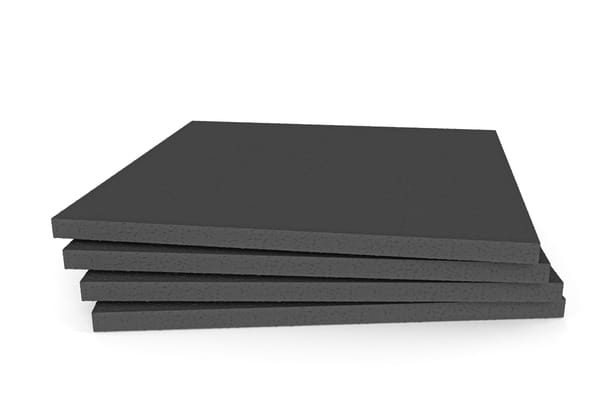
- Foam shaping or trimming
Scoring Knife
A scoring knife creates shallow marks that guide clean folds without breaking through the material. This is a regulated pressure that keeps the paper form between the bending or assembling process. This unobtrusive method of shaping is used in many paper-based crafts.
Best for:
- Creating fold lines
- Paper architecture
- Box layouts
- Handmade cards and journals
Heavy-Duty Craft Knife
A heavy-duty craft knife contains a thicker handle and a stronger blade for materials that resist lighter knives. The design favours mixed-media artists who combine paper and dense elements, or textured surfaces, or soft leather.
Best for:
- Chipboard and cardboard
- Foamboard
- Leather accents
- Mixed-media fabric layers
Blade Shapes and Sizes: How They Affect Precision
Blade shapes determine the ease with which a knife passes through various surfaces. All blades react differently to hand pressure, producing different cutting behaviour.
Pointed Blade
A pointed blade reaches into tight corners and supports highly detailed cuts. Stencil work, miniature paper shapes, and precise edging often rely on this shape.
Curved Blade
The curved blade slides over pliable or soft materials, making rounded cuts easy. Linoleum blocks, clay sheets, and thin rubber surfaces tend to respond to this form.
Wide Flat Blade
A wide flat blade helps scrape dried paint, refine rough edges, or smooth transitional areas in mixed-media pieces.
What Safety Features to Look For while Choosing an Art Knife?
Safety features create stability, reduce the risk of slips, and protect hands during use and storage.
- Blade caps: Blade caps are materials that cover the knife's sharp edges when it is placed in drawers or containers.
- Locking mechanisms: locks hold the blade in place and prevent unexpected motion or displacement when working with soft objects.
- Slip-resistant grips: Grips are textured to ensure a more secure grip, particularly during longer sessions and in humid conditions.
- Disposing of blades properly: All blades are disposed of to prevent accidental injuries from sharp or loose edges.
- Reminder: Dull blades require more force, which increases the risk of slips and strain. Frequent replacement supports safer movement.
How to Choose the Right Art Knife for Your Medium?
Different surfaces and materials respond in unique ways to blade pressure, angle, and sharpness. The relationship between knife design and medium becomes clearer once the demands of each project are considered. Some materials favour pointed tips, while others respond better to flat or curved blades. The following breakdown offers a supportive look at those distinctions.
Drawing and Illustration
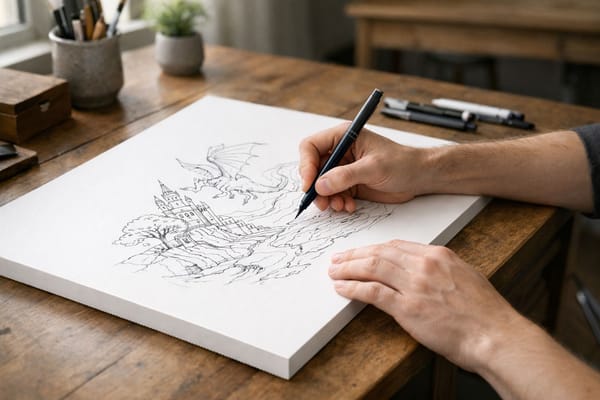
Minor adjustments, edge cleanliness, and usually exact trimming are often associated with drawing and illustration. The precision knives help refine pencil lines, cut up layouts, and shape tiny features without creating friction. Illustrated work can also be cut with swivel knives, where lettering or ornamental curves may appear in the design. Their rotary movement provides the rounded shapes with softness. By combining both tools, the spectrum of detail-focused requirements in typical illustration workflows is addressed.
Paper Cutting and Stencils
When it comes to paper cutting, sharp edges are sometimes required in corners, which is why sharp blades are used. Their slender tip penetrates tiny shapes without ripping off the fibres. Swivel blades slide easily along rounded patterns and larger curves, helping preserve the flow of decorative patterns and stencil lines. Scoring knives also help create a fold line and leave the final pieces with sharp edges, free of cracks.
Mixed-Media and Sculpture
Mixed-media projects often comprise passages between soft and hard types of surfaces. Dense concrete materials like chipboard, cardboard, and textured layers are suitable for heavy-duty knives. Chisel blades offer additional options for scraping paint, making foam, or working on layered surfaces. The combination of rough and delicate textures is helpful for artists who shift between the two extremes, as it does not overwhelm the softer works.
Fabric and Leather Elements
Fabric and leather do not react to paper, and their fibres are susceptible to blade shape. Rotary blades cut cleanly, even without pulling any thread from the cloth. The curved blades cut easily across soft materials like leather, making arcs smoother and cutting with control. The two shapes help keep the edges of the textile work clean, particularly in layered or stitched work.
Conclusion
- An art knife affects the comfort, control, and the end product of creative work.
- Different types of knives support the materials, textures, and level of detail.
- The blade shapes are of primary concern for precision and cutting behaviour.
- Safety will give the routine use stability and confidence.
- Considerations of material can assist artists in locating those tools that can be practiced with effortlessly over time.
Frequently Asked Questions
What Is the Best Knife for Detailed Paper Cutting?
A precision knife with a pointed blade usually provides the most precise control for small shapes and tight corners in paperwork.
How Often Should an Art Knife Blade Be Replaced?
Replacing the blades whenever they start to feel rough or when they need more pressure will keep them effective, as dull edges reduce cutting precision.
Can a Single Knife Support Multiple Materials?
One knife can operate across several surfaces, although switching blades often improves the quality of cuts on both thin and dense materials.
Do Swivel Knives Feel Challenging for Beginners?
A swivel knife is not an easy tool to work with initially, yet most artists get used to it and find it enjoyable because of its smooth movement in curves.
Does a Heavy-Duty Knife Matter in Mixed-Media Work?
Heavy-duty knives provide more substantial support for thick or layered materials, especially when lighter blades bend or struggle with dense textures.